
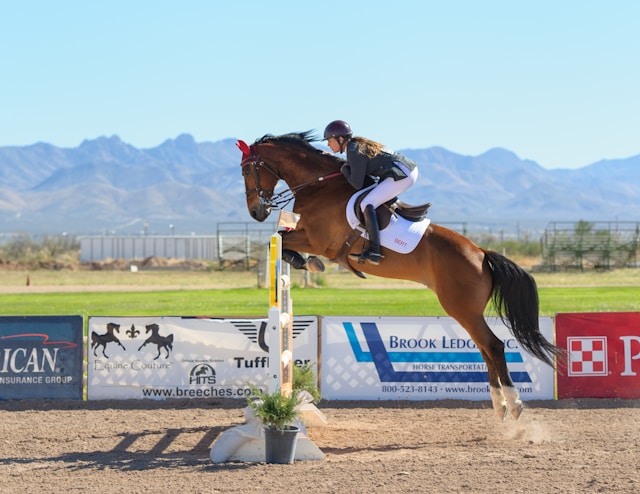
Key Takeaways
- Discover how horse jump walls can enhance equestrian training.
- Learn about the variety of materials and designs available.
- Understand the safety and environmental benefits of different jumps.
- Get insights into effectively integrating jump walls into your training regimen.
Introduction
In equestrian sports, the capacity for practical training can significantly distinguish between achieving success and settling for mediocrity. This is where horse jump walls come into play. These thoughtfully constructed barriers realistically represent natural obstacles common in competitive events. They offer riders a means to push their limits in practice, refining skills needed for competition. Jump walls are not just a test of ability; they are a training aid that supports the development of balance, precision, and confidence in both horses and riders.
Understanding Horse Jump Walls
At a fundamental level, horse jump walls mimic the various hurdles found in natural terrain and designed courses. They help prepare equestrian athletes for multiple environments, promoting adaptability and resilience. With these structures, riders can simulate the conditions of challenging outdoor courses regardless of their training location, whether at a stable, an arena, or a training facility. These walls are particularly beneficial for practicing strategy and technique in a controlled setting, allowing riders to focus on incremental improvements and gradual mastery of skills.
Benefits of Using Jump Walls in Training
- Improved Rider and Horse Coordination: The symbiosis between rider and horse is one of the most critical aspects of equestrian sports. Horse jump walls necessitate a high level of unity and understanding between rider and horse, as negotiating these barriers requires precise timing and positioning. Over time, this repeated coordination exercise sharpens communication and engenders a more profound connection, leading to improved performance and a more harmonious partnership. This refined communication translates into better outcomes in competitive settings, where split-second decisions can determine success.
- Enhancing Agility and Flexibility: Jump walls help horses develop a keen sense of body awareness—proprioception—crucial for navigating complex courses. Horses adjust their gait and stride in response to these obstacles, honing their agility and flexibility. This training helps develop the muscles necessary for rapid adjustments, making the horse more responsive to the rider’s cues. As a result, horses become more dynamic athletes, able to respond swiftly and confidently to the unexpected challenges of a live course.
- Boosting Confidence: Confidence is a pivotal factor affecting performance in sporting pursuits, and the same is true for equestrian disciplines. By progressively training over jump walls, horses and riders develop resilience and assurance in handling varied and challenging scenarios. This confidence is beneficial in competition and contributes to a safer and more enjoyable experience for both horse and rider as they become more assured of their capabilities together.
Types of Jump Walls and Materials Used
When selecting the appropriate jump wall, it is crucial to comprehend the diverse materials and designs available. Each type presents distinct benefits tailored to specific training requirements. For example, wooden jump walls are frequently preferred due to their robustness and visual charm. They offer a traditional appearance that enhances natural surroundings. They provide robust training for more advanced riders seeking intensive practice sessions.
PVC jump walls are renowned for their lightweight structure and excellent resistance to adverse weather conditions. They require less maintenance than traditional wooden walls, making them ideal for trainers seeking a practical, long-lasting solution. Furthermore, eco-friendly options are becoming increasingly popular as owners look to reduce their environmental footprint. These innovative products utilize sustainable resources, aligning with broader efforts to promote ecological integrity in sports settings.
Safety Considerations for Horse Jump Walls
Safety is the foremost consideration when implementing horse jump walls in training regimens. Ensuring these structures are made from quality materials and using reliable techniques to prevent accidents is crucial. Jump walls must also be regularly inspected for stability, exposure to wear and tear, and the absence of sharp edges or components that could pose risks. Awareness and adherence to safety standards not only protect the horse and rider but also enhance training outcomes by minimizing distractions related to equipment issues.
Integrating Jump Walls Into Your Training Regimen
- Gradual Introduction: Jump walls should be introduced gradually into training, particularly for newer riders or younger horses. Starting with lower and simpler jump walls helps build a strong foundation, progressively increasing difficulty as skill and confidence grow. This approach minimizes the potential for intimidation and allows both rider and horse to acclimate to the challenges at a comfortable pace, thus fostering an encouraging environment for learning and growth.
- Diverse Challenges: To maintain engagement and practical skill development, it’s beneficial to incorporate a range of jump walls with varying heights, textures, and configurations. Such diversity in training provides fresh challenges and prevents monotony, driving riders and horses to adapt quickly and efficiently to new circumstances. This variety is key in nurturing adaptable and quick-thinking equestrian athletes who thrive in dynamic and unpredictable competitive contexts.
Environmental and Cost Benefits
Sustainable jump wall materials align with environmental ethics and often present a cost-effective approach to equipment management. By leveraging renewable resources that haven’t compromised environmental stability, trainers can also enjoy long-term financial savings due to such products’ longevity and reduced maintenance needs. Learning about environmentally conscious practices can enhance decision-making and contribute positively to the equestrian community’s environmental efforts.
Latest Innovations in Horse Jump Designs
The future of horse jump walls lies in innovative designs that incorporate technology to elevate training dynamics. Recent developments feature jump walls equipped with sensors that deliver immediate feedback on performance indicators, including jump height and distance. Additionally, adjustable height jump walls offer customizable challenges that cater to specific training requirements, enhancing the versatility and effectiveness of practice sessions. Exploring these technological evolutions can provide valuable insights into optimizing training for equestrian athletes.
Conclusion
Implementing horse jump walls into training programs holds the potential to dramatically enhance the proficiency and satisfaction of both riders and horses. By facilitating safe, targeted, and varied training experiences, these structures serve as a dynamic tool for developing essential equestrian skills. Emphasizing diverse and sustainable materials also reflects a commitment to environmental stewardship, reinforcing the holistic benefits of jump walls in nurturing skilled, confident, and eco-conscious equestrian athletes.